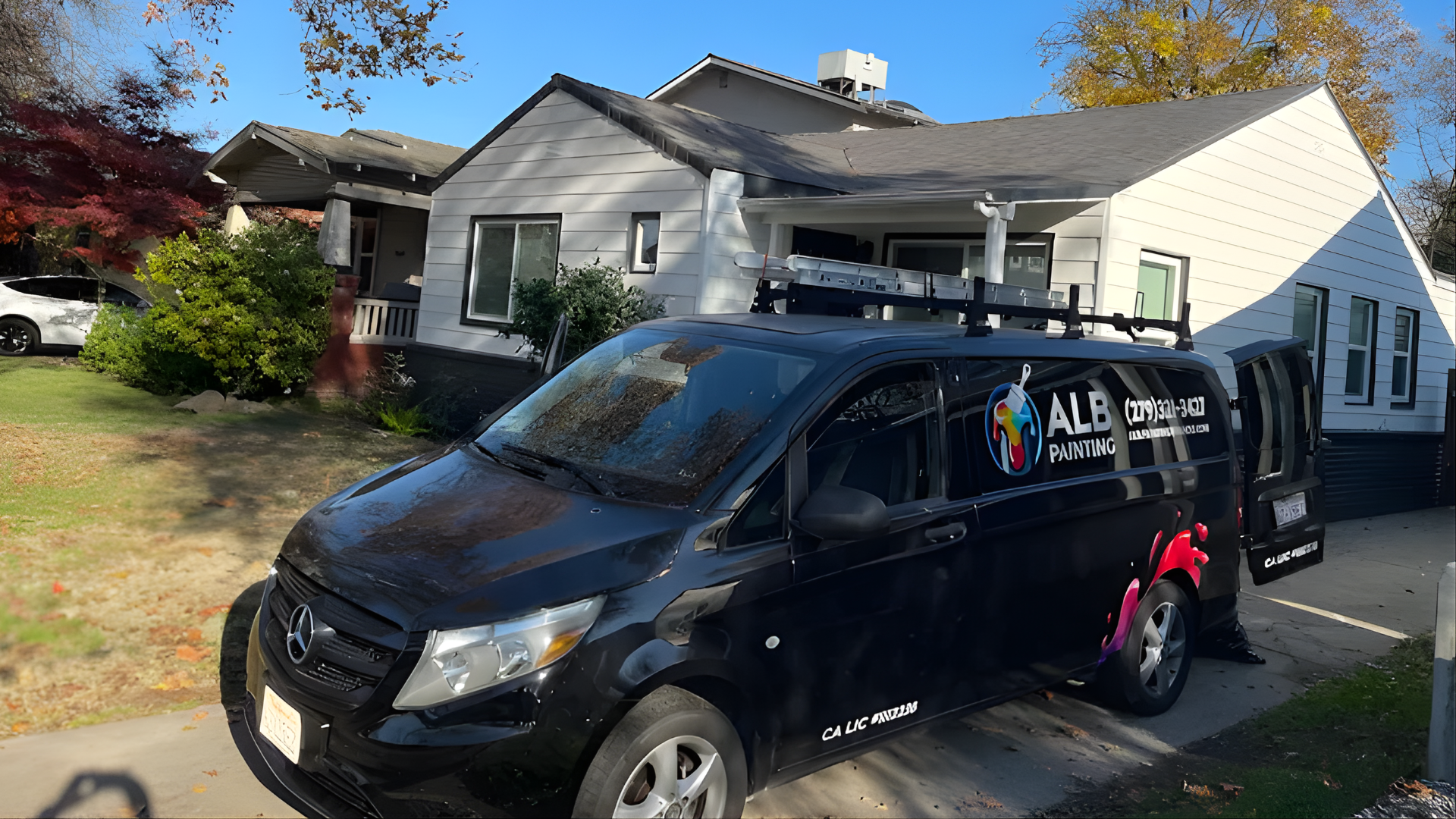
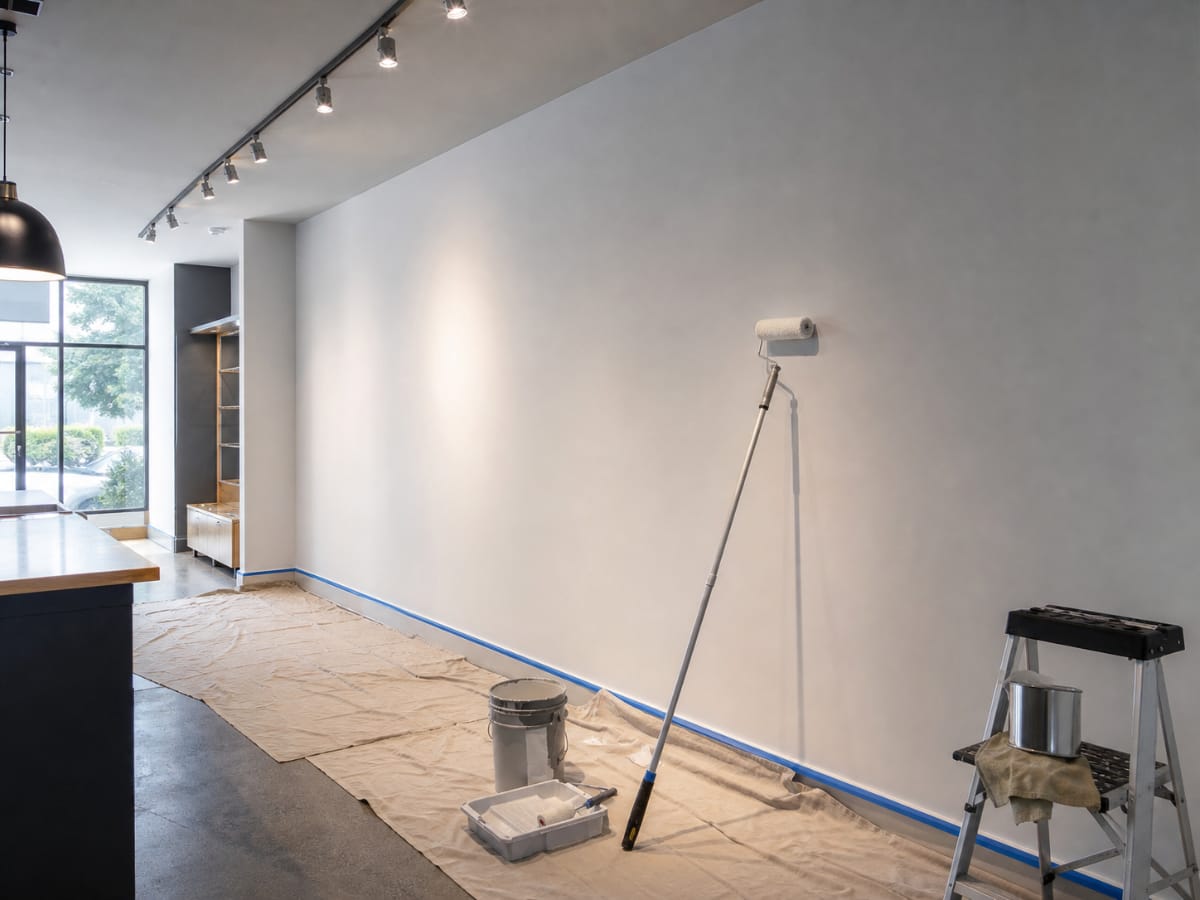
Make the Property Support the Impression You Want to Create
Paint influences how customers, tenants, employees, and visitors experience a commercial space. ALB painting can discuss the visual priorities alongside the access, communication, and sequencing needs that make a commercial project different from a residential repaint.
Commercial painting conversations account for the property type, occupied areas, public access, operating hours, surfaces, and coordination needs.
Commercial Painting Has to Work Around the Property
A commercial scope may involve public-facing areas, multiple decision-makers, operating hours, site rules, and surfaces that receive different kinds of use. The project plan should account for how the property functions—not only how it should look when the work is complete.
- Property use and the areas included in the proposed work
- Occupied, tenant, employee, customer, or public-facing spaces
- Access hours, operating schedules, and sequencing constraints
- Stakeholders, approvals, documentation, and communication needs
- Site rules and protection requirements that affect the scope
Build the Scope Around Operations
A useful walkthrough with ALB painting should connect the surfaces and finish goals with the way people move through, approve, and use the property.
Identify the work areas and stakeholders, review access and operating constraints, document the surfaces and desired finish, and confirm how the company will describe scope, scheduling, and communication.
- Define the work areas, property use, stakeholders, and desired result.
- Review materials, current condition, access, and site requirements.
- Discuss sequencing, operating constraints, protection, and communication.
- Confirm the written scope, responsibilities, exclusions, and approval process.
Why Consider ALB painting for Commercial Painting?
The value of a commercial painting partner begins with a scope that respects both presentation and operations. ALB painting can evaluate the specific property, identify the questions that affect coordination, and explain how its proposed work fits the environment.
Provide relevant site rules, access windows, tenant or customer considerations, and any documentation requirements. Confirm that the company serves the property type and location before planning around a schedule.
- Property-specific planning instead of a residential scope applied to a business
- Attention to occupied, customer-facing, tenant, and staff considerations
- A central conversation about surfaces, access, sequencing, and approvals
- Written project details that stakeholders can review before work is authorized
Plan the Next Update to Your Commercial Property
Share the property type, work areas, operating constraints, decision-makers, and desired appearance with ALB painting. Request an estimate to see how the company would approach the scope.