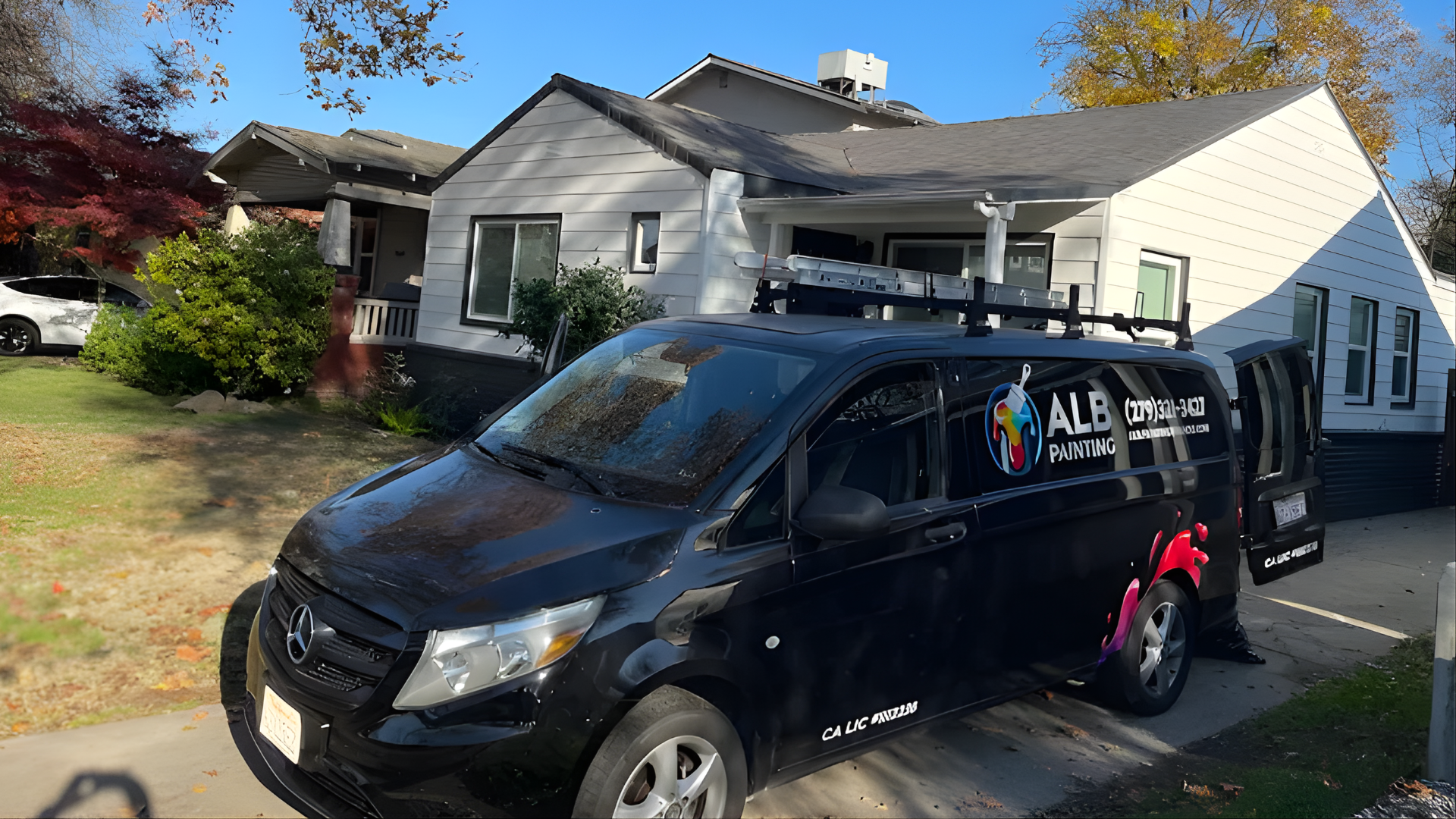
Find the Right Starting Point
Choose the service that most closely matches the property and surfaces involved. Availability and scope are confirmed during the estimate process.
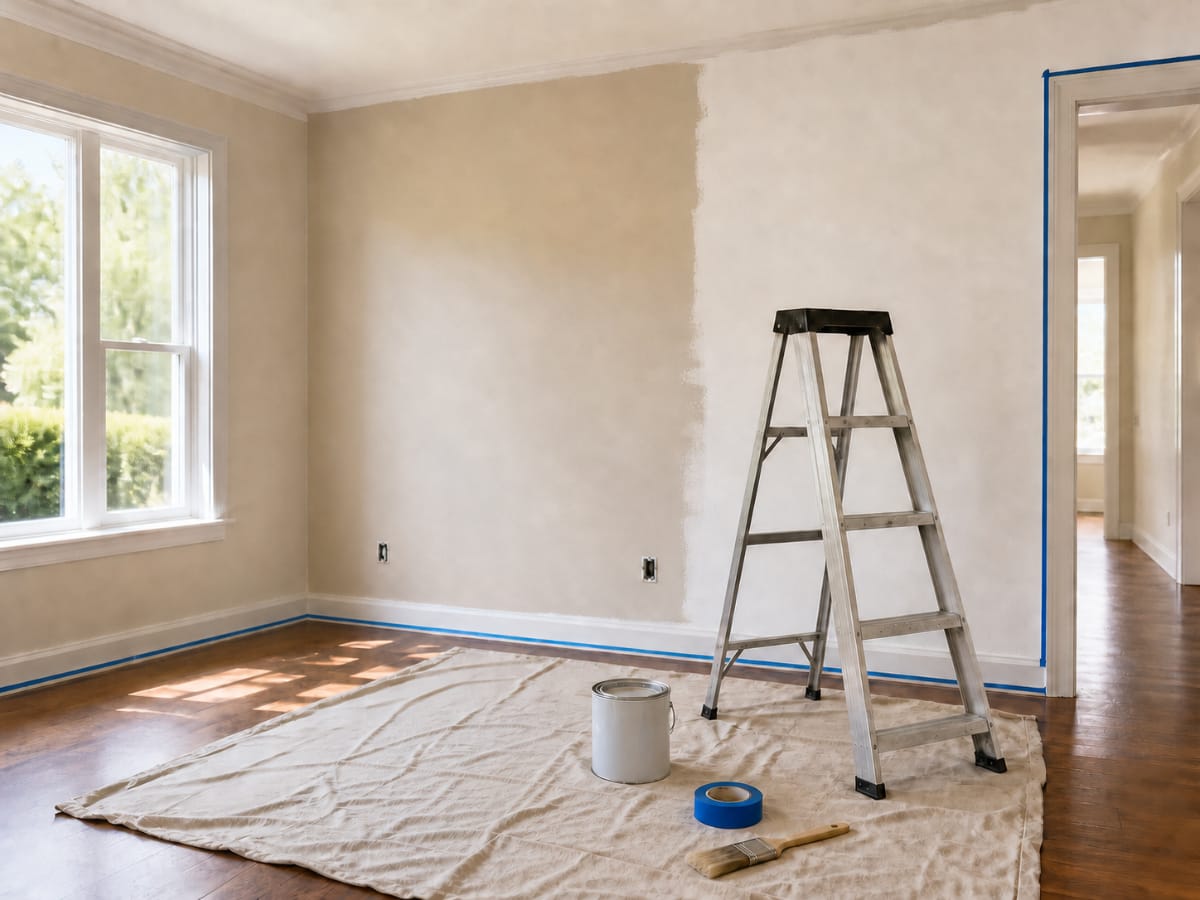
Residential Painting
Painting plans for houses, condominiums, townhomes, and other residential properties begin with the occupied space, surfaces, access, and household priorities.
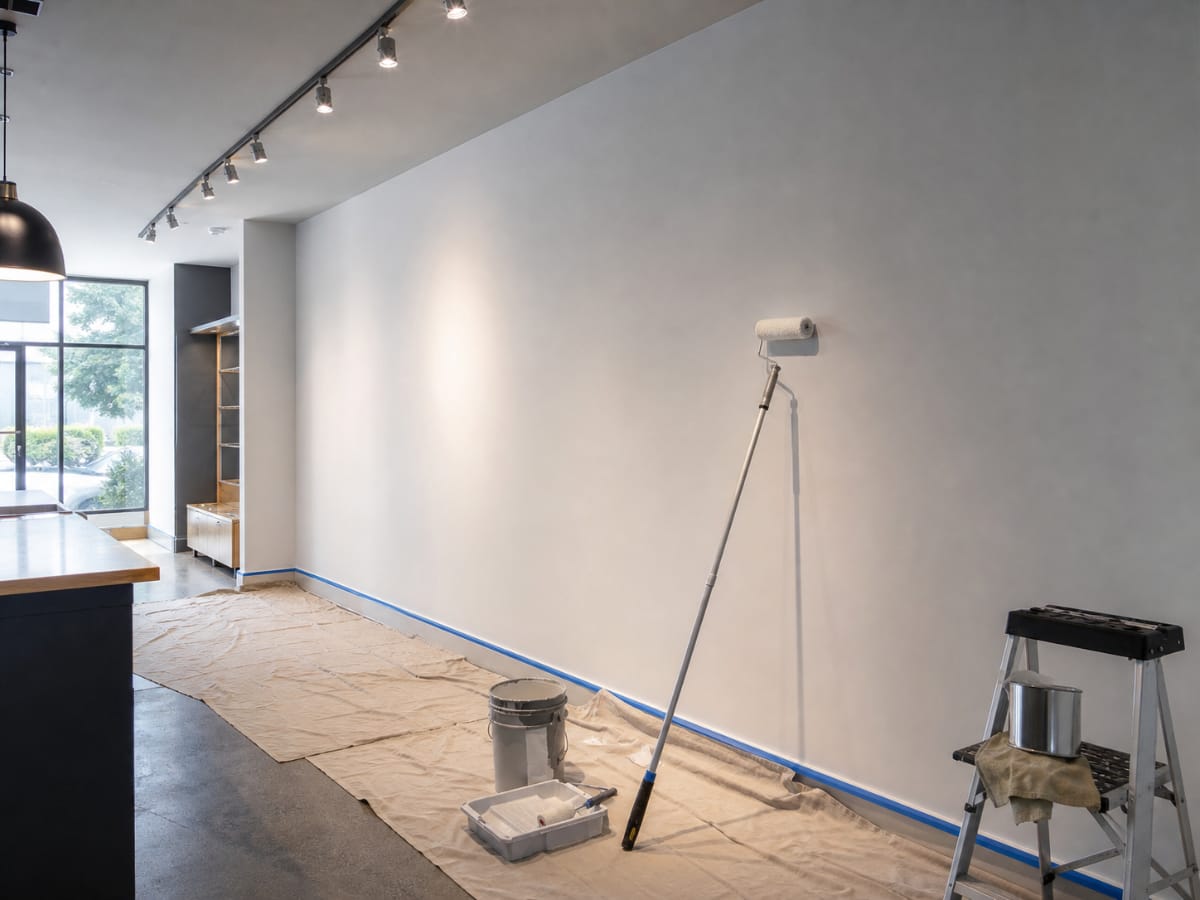
Commercial Painting
Commercial painting conversations account for the property type, occupied areas, public access, operating hours, surfaces, and coordination needs.
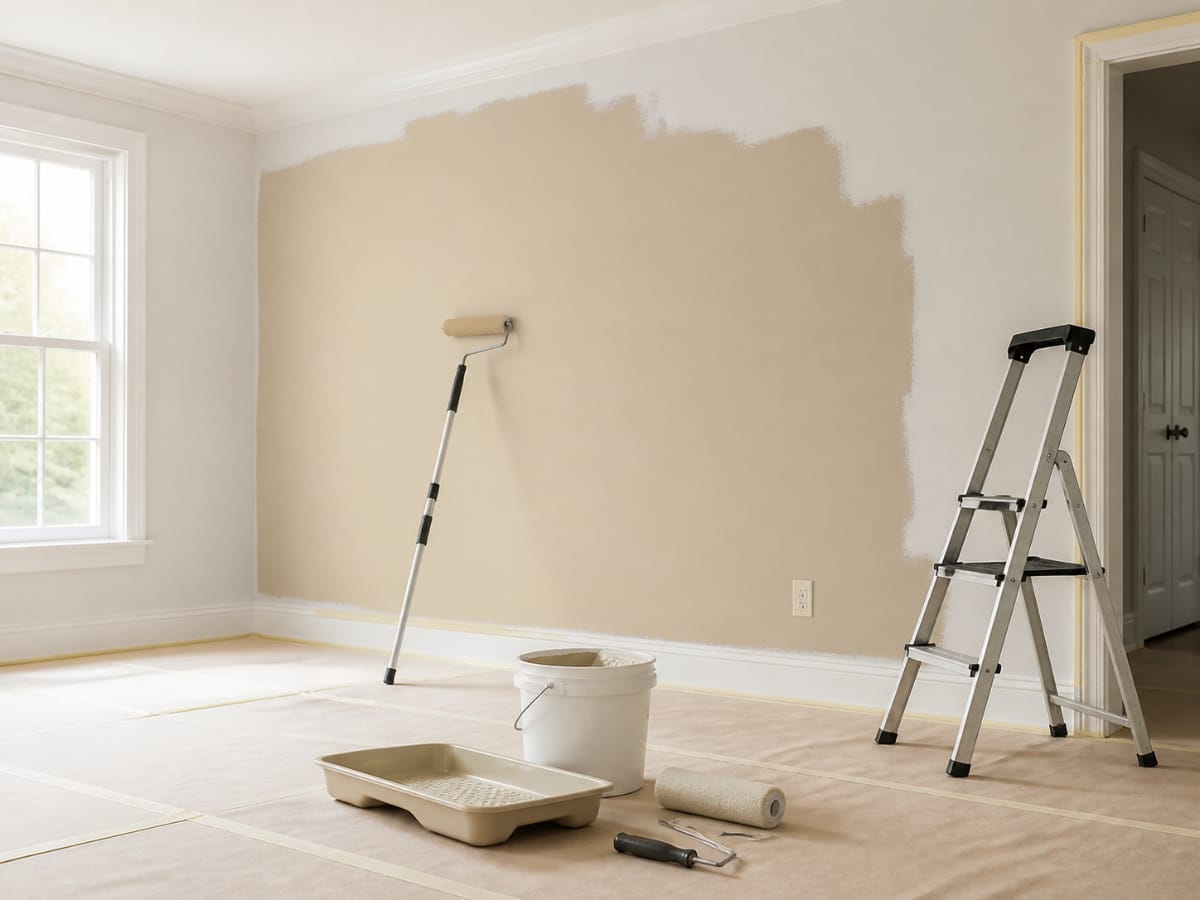
Interior Painting
Interior painting can involve walls, ceilings, trim, doors, closets, and other selected surfaces. The useful starting point is a room-by-room scope and a review of current surface condition.
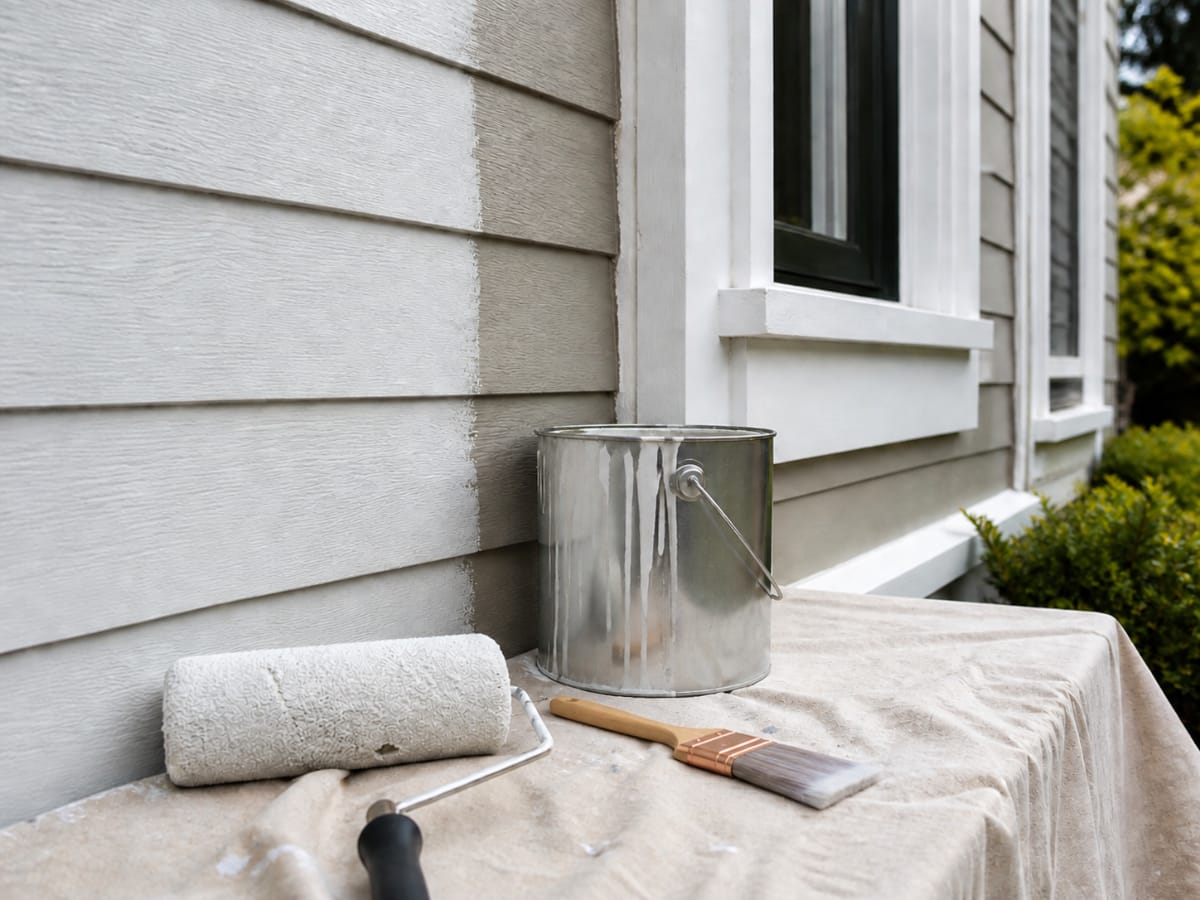
Exterior Painting
Exterior painting planning considers siding and trim materials, existing coating condition, sun and moisture exposure, access, landscaping, and workable weather conditions.
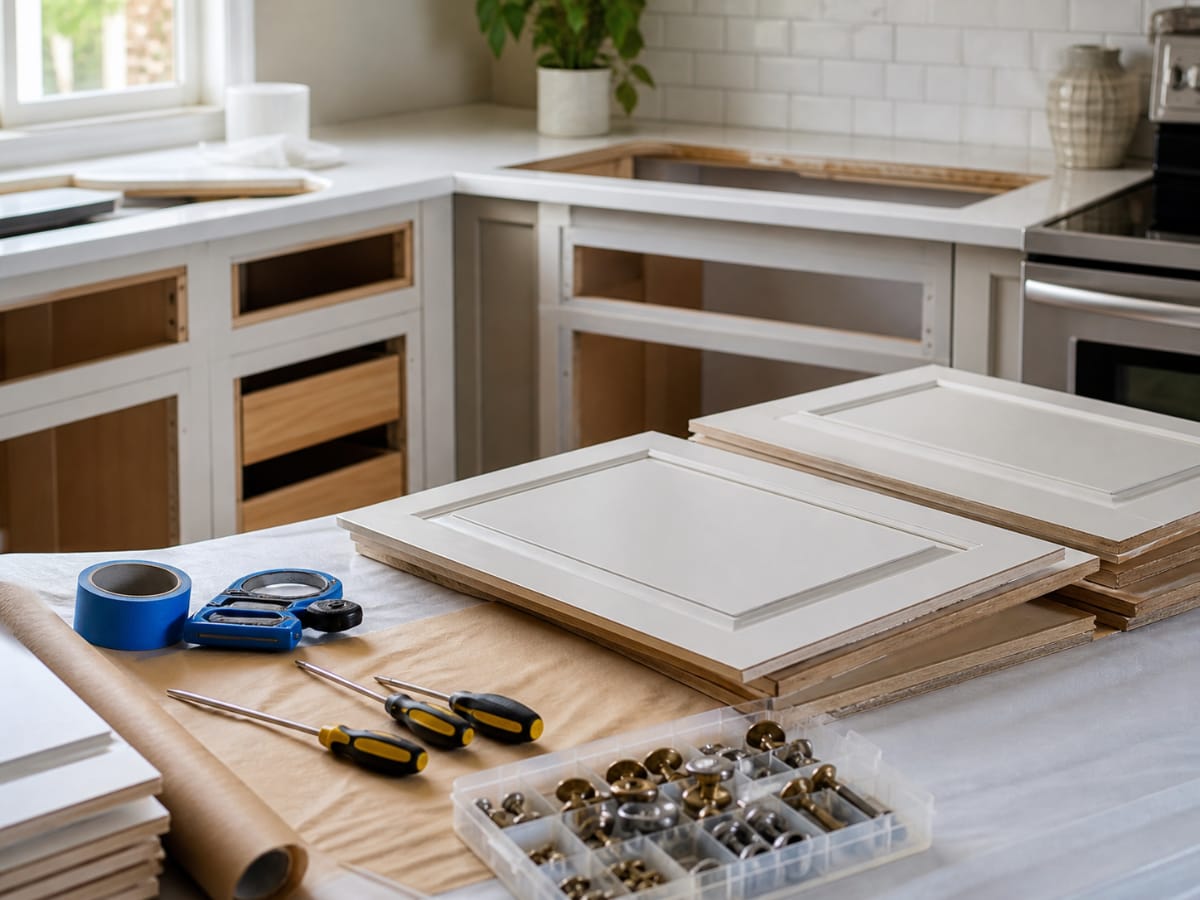
Cabinet Painting
Cabinet projects require a clear inventory of doors, drawers, boxes, panels, and other parts, along with the existing finish, desired appearance, and how the space is used.
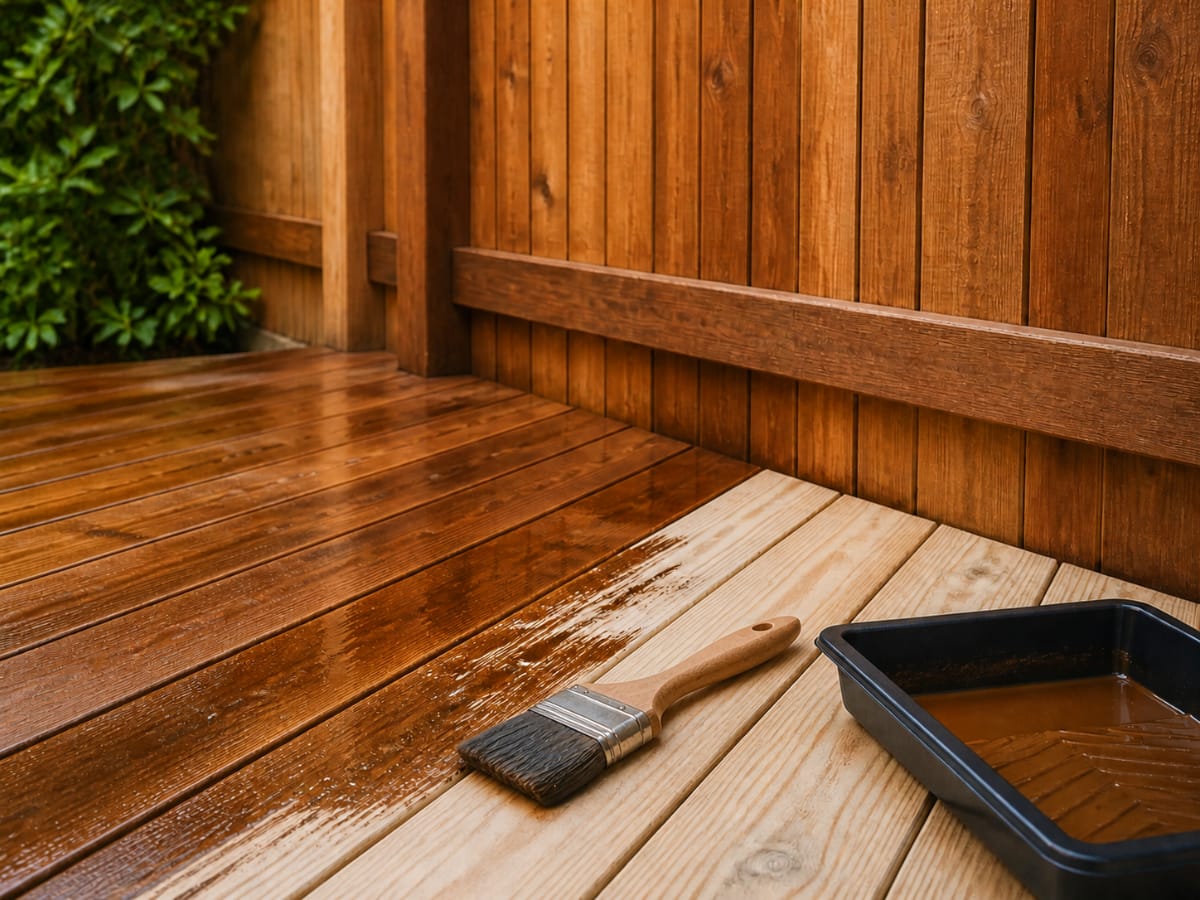
Deck and Fence Staining
Deck and fence projects depend on wood condition, prior coatings, moisture, sun exposure, access, and whether the desired result is a stain, solid-color finish, or another suitable coating.
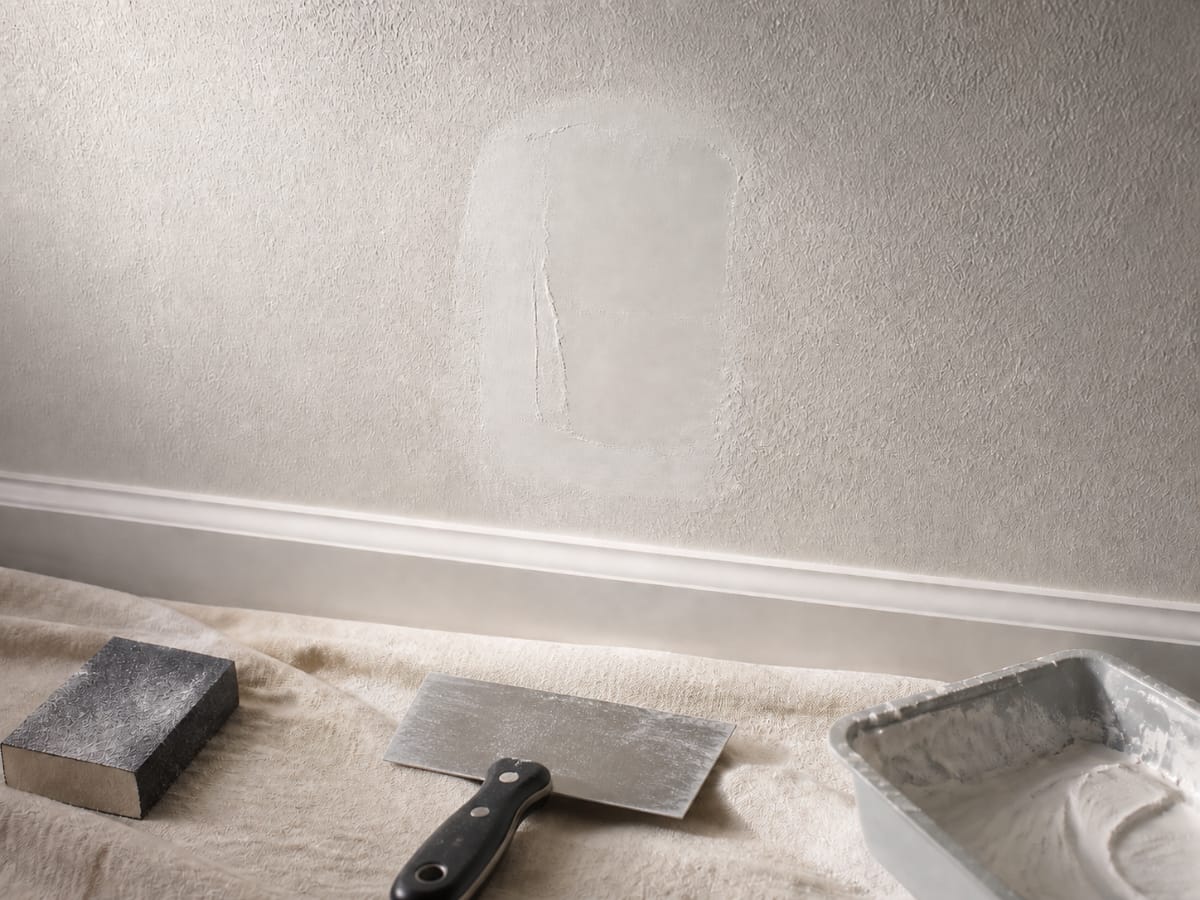
Drywall and Texture Repair
Minor drywall and texture work may help prepare selected surfaces for paint, but the appropriate repair depends on the damage, substrate, texture, and source of the problem.
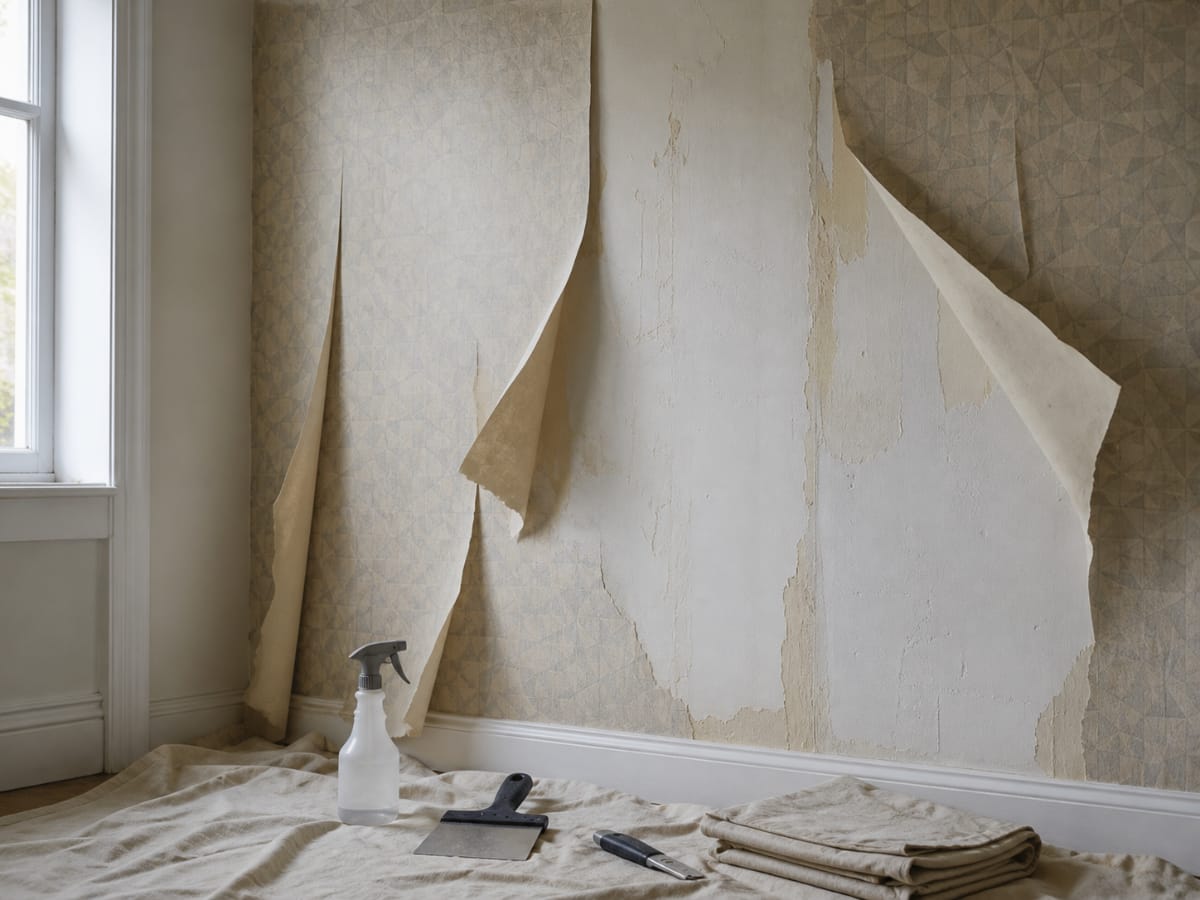
Wallpaper Removal
Wallpaper removal varies with the wall covering, adhesive, number of layers, substrate condition, and prior installation. The wall condition may not be fully visible until removal begins.

Color Consultation
Color consultation can help organize choices around the room, fixed finishes, lighting, adjoining spaces, exterior materials, and the mood or contrast a customer wants.