Give the New Paint a Better Surface to Finish
Holes, dents, cracks, patches, and texture differences can interrupt an otherwise refreshed room. When the condition fits the company’s repair scope, combining selected drywall or texture work with painting can create a more complete project conversation.
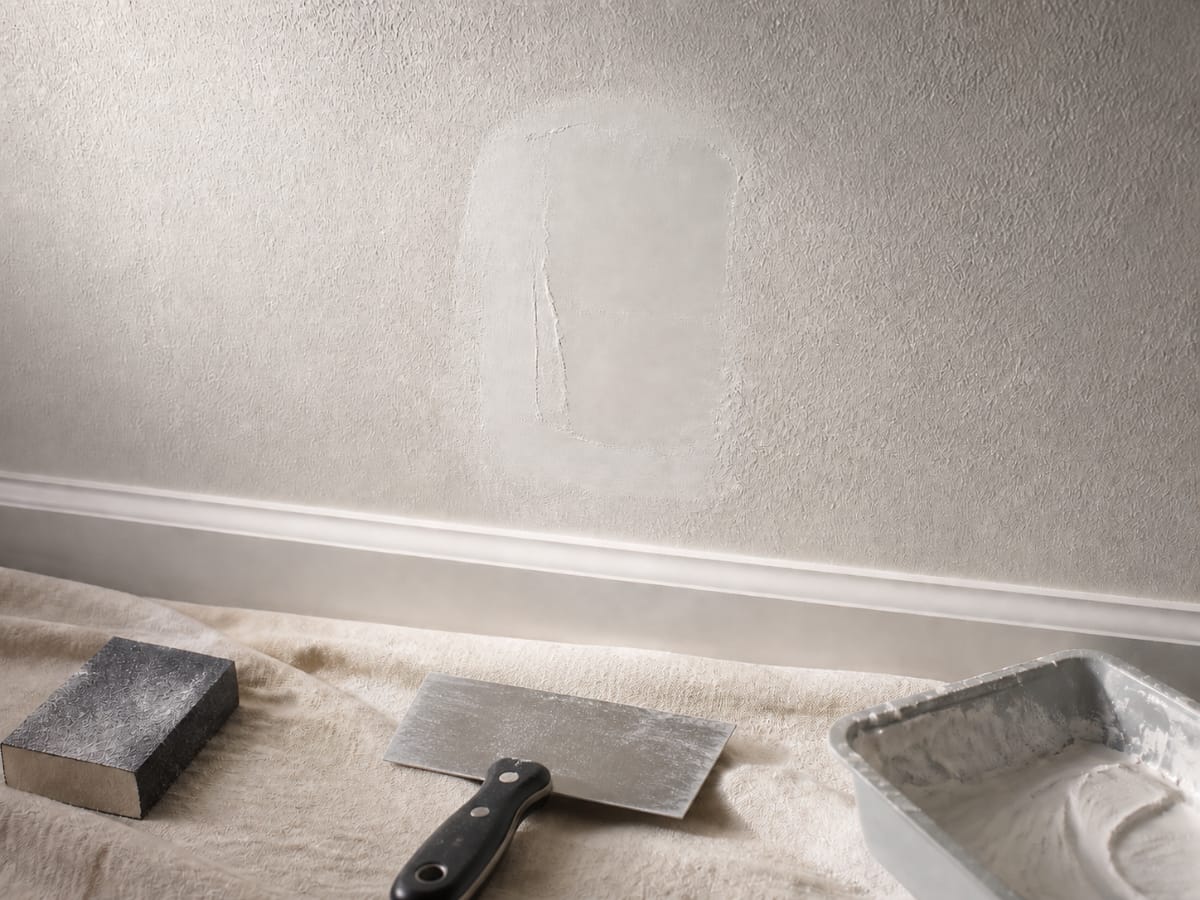
Minor drywall and texture work may help prepare selected surfaces for paint, but the appropriate repair depends on the damage, substrate, texture, and source of the problem.
A Repair Has to Work Under the Final Light and Finish
Drywall and texture work is not only about filling damage. Substrate, apparent cause, repair boundaries, texture pattern, primer, paint sheen, and room lighting all influence how the repaired area may read after coating.
- Location, size, and apparent source of each damaged area
- Drywall or plaster substrate and whether the cause is resolved
- Existing texture, expected match, and visible repair boundaries
- Repair, sanding, dust control, priming, and painting scope
- Conditions that may need another trade or further investigation
Connect the Repair Scope to the Finished Surface
Show every concern to ALB painting so the estimate can distinguish selected cosmetic repairs from conditions that need separate investigation or another trade.
Show each damaged area, discuss whether the underlying cause has been addressed, review the desired texture match, and confirm which repairs and finishing steps are included before painting.
- Locate each damaged area and discuss the apparent source and current condition.
- Review substrate, repair boundaries, texture, sheen, and lighting considerations.
- Confirm which repair, preparation, priming, and painting steps are proposed.
- Set expectations for exclusions, texture variation, discovered conditions, and next steps.
Why Ask ALB painting About Repairs Before Painting?
Treating the repair and paint as one visible surface can make the overall scope easier to understand. ALB painting can review the areas it may be able to address, explain what belongs in its proposed work, and identify questions that should be resolved before coating begins.
Ask the company to distinguish cosmetic repair from work that needs another trade or further investigation. Texture and sheen differences can remain visible depending on the surface and lighting.
- Repair decisions considered in relation to the final paint and room lighting
- Texture, sheen, primer, and repair boundaries discussed before work is authorized
- Cosmetic concerns separated from conditions that may require another specialist
- One written conversation about the selected repair-and-paint scope
Show Us the Surfaces That Need Attention
Share the location, size, visible condition, texture, and desired finish with ALB painting. Request an estimate to learn which selected repairs may fit the painting project.